Hail Damage Checklist for Residential Property Owners After Severe Weather
May represents the absolute peak of hail season across Central Texas, when atmospheric conditions create perfect storms capable of devastating residential roofs in minutes. The combination of warm surface temperatures and cool upper-level air masses generates severe thunderstorms producing baseball-sized hail that destroys thousands of roofs annually.
The last storm demonstrated this reality, leaving countless homeowners scrambling to assess damage and file insurance claims. Understanding what to look for immediately after severe weather passes determines whether you catch all the damage or miss critical issues that worsen over time.
This checklist ensures nothing gets overlooked during your post-storm assessment.
Immediate Roofing Assessment Steps
What to Check from Ground Level
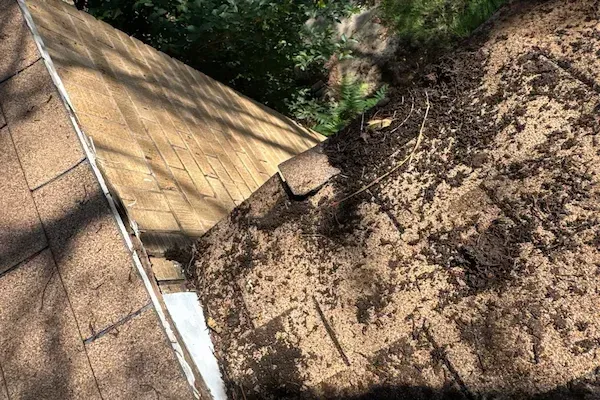
Start your assessment safely from the ground before considering any ladder work. Look for obvious missing shingles or large sections of damaged materials scattered across your yard or stuck in gutters. Check downspouts for excessive granule accumulation, which appears as dark, sandy residue indicating shingle deterioration from hail impacts.
Examine flashing around chimneys and vents for visible dents, bends, or separation from the roof surface. Inspect gutters for dents and deformation from direct hail damage. Scan your roof for dark spots or divots suggesting impacts penetrated the protective granule layer.
Document everything with photos from multiple angles, capturing the date and time automatically on your smartphone for insurance documentation purposes.
Interior Warning Signs Often Missed
Water doesn't always announce its presence immediately after storms. Check your attic during daylight hours for new light penetration through the roof deck, indicating punctures or displaced materials. Look for fresh water stains on rafters, insulation, or roof decking that weren't present before the storm.
Run your hand across the insulation, checking for dampness that visual inspection might miss. Examine ceilings throughout your home for any discoloration, sagging, or bubbling paint suggesting water intrusion. Pay special attention to areas around vents, chimneys, and skylights where roof leaks commonly develop after hailstorms.
Even minor moisture discovered now prevents catastrophic water damage and mold growth later when that small leak becomes a major problem during the next rainfall.
Understanding Hail Impact Patterns
How Professional Inspectors Assess Damage
Hail damage rarely affects roofs uniformly. Storms typically approach from specific directions, creating concentrated impact zones on certain roof slopes while leaving others relatively untouched. Professional roofing contractors understand these patterns and know where to look based on storm direction and intensity.
Impact craters on asphalt shingles appear as dark circular bruises where granules were displaced, exposing the underlying mat. Metal flashing shows distinct denting that catches light differently than undamaged surfaces. Softer materials like vinyl siding display obvious dimpling, while harder surfaces require closer inspection to reveal damage.
Understanding these patterns helps you communicate effectively with insurance adjusters about comprehensive damage rather than isolated incidents.
Documentation That Insurance Companies Require
Homeowners frequently underestimate the importance of documentation until insurance claims get denied for insufficient evidence. Photograph every damaged area from multiple distances, showing context and detail.
Capture wide shots establishing the damage location, then close-ups revealing specific hail impacts or missing shingles. Include reference objects like coins or rulers in photos demonstrating impact size.
Video walkthroughs provide additional context that adjusters find valuable. Save weather reports confirming severe weather occurred on specific dates. Collect any hailstones found immediately after storms, storing them in your freezer as physical evidence.
Request detailed roof inspection reports from qualified roofing contractors documenting all damage with professional photography and written assessments supporting your claim's legitimacy and scope.
Other Areas Requiring Inspection
Hailstorms don't limit destruction to roofs alone. Inspect air conditioning units for condenser fin damage, reducing efficiency and lifespan. Check windows for cracked glass or damaged screens that compromise energy efficiency and security.
Examine siding for cracks, dents, or holes allowing moisture infiltration behind protective barriers. Assess fence panels for splits or warping from impact forces. Review outdoor lighting fixtures, mailboxes, and decorative elements for damage affecting property value and curb appeal.
Your insurance policy typically covers these items under the same weather event, so comprehensive documentation ensures maximum claim recovery rather than leaving money on the table through incomplete assessments.
Red Oak Roofworks Offers Comprehensive Storm Solutions
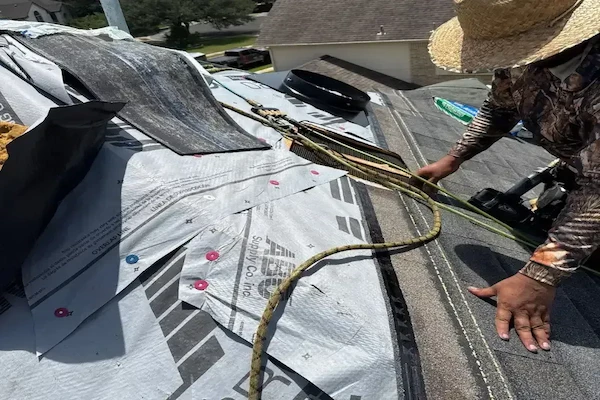
While hail damage assessment focuses primarily on roofs, Red Oak Roofworks and Restoration provides complete storm restoration services addressing all weather-related damage.
Our expertise extends beyond roof repair and roof replacement to include waterproofing, new construction roofing, and complete insurance claim support. We help Georgetown, Austin, Cedar Park, Round Rock, and the surrounding residents navigate every aspect of storm recovery, from initial damage assessment through final repairs and insurance settlement.
Schedule Your Free Storm Damage Inspection Today
Don't navigate hail damage assessment alone during this peak storm season. Red Oak Roofworks and Restoration provides thorough roof inspections, identifying all storm-related damage before you file insurance claims.
Our certified team serves Georgetown, Austin, Cedar Park, Round Rock, and the surrounding areas with honest assessments, detailed documentation, and transparent repair recommendations.
As a BBB-accredited, Malarkey Certified contractor, we deliver quality workmanship backed by industry-leading warranties. Call us at (737) 773-3625 for your completely free inspection and ensure your home receives proper protection and fair insurance compensation after severe weather strikes.
Frequently Asked Questions
How soon after a hail storm should I inspect my home?
Conduct initial inspections within 24 hours while evidence remains fresh and before additional weather potentially causes secondary damage. Schedule professional contractor inspections within 48-72 hours to document everything before filing insurance claims.
Can I assess hail damage myself, or do I need a professional?
You can and should conduct initial ground-level assessments yourself for obvious damage. However, professional inspectors identify subtle damage invisible to untrained eyes and provide documentation that insurance companies require for successful claims.
What if I don't see obvious damage after a hail storm?
Hail damage often appears subtle initially, especially impact bruising on shingles or small punctures in flashing. Professional inspections reveal hidden damage that worsens over time, preventing future leaks and structural issues.
How long do I have to file an insurance claim after hail damage?
Most Texas homeowner's policies allow one to two years for claim filing, but immediate documentation and filing prevent disputes about when damage occurred. Delays also risk additional weather and undocumented damage.
Will my insurance cover all hail damage found during inspection?
Coverage depends on your policy terms, deductible, and damage severity. Professional documentation from licensed contractors strengthens claims by establishing that damage resulted from covered weather events rather than age or neglect.
Articles you might be interested in